A Quick Guide to Bench Trials
📅 2026 Update: Changes in Bench Trials and Jury Processes
Since the original article on bench trials, there have been no specific updates regarding fees, forms, or processing times in the jury and trial process. However, the landscape of trial services continues to evolve. Readers can find the earlier article further down the page for foundational knowledge on these topics.
📜 Recent Developments in Trial Services
The trial consulting industry has seen various service providers rise in prominence. The focus remains on helping attorneys and their clients navigate the complexities of bench trials and jury selection.
- 🔍 Mock Trials: Services that offer mock trials can help prepare for real trials. These provide valuable insights into how juries may react to the case.
🏛️ The Role of Technology
Technology is playing a bigger role in trial presentations. Many companies now offer tools that assist in presenting evidence effectively.
- 💻 Litigation Technology: This includes software that helps organize and display evidence. It can make a significant difference in how a case is perceived by judges and juries.
📊 Importance of Jury Selection
Jury selection remains a critical part of the trial process. Understanding the dynamics of potential jurors can impact the outcome.
- 👥 Juror Profiling: This helps attorneys understand who might be sympathetic to their case. It can be instrumental in choosing the right jurors for a trial.
📌 Key Points to Remember
- 📈 Services for mock trials are becoming more common.
- 💡 Technology enhances trial presentations.
- 🔍 Jury selection is crucial for trial success.
- ⚖️ Understanding juror profiles can aid in strategy.
💡 Tips for Navigating Bench Trials
Consulting with your attorney is essential to understand the specifics of your situation.
🛠️ Understand Trial Types
Know the difference between bench trials and jury trials. Bench trials involve a judge deciding the case, while jury trials have a group of peers making that decision.
📅 Be Prepared for Delays
Court processes can take time. Understanding that delays can occur helps manage expectations throughout the trial.
📜 Familiarize Yourself with Legal Terms
Learning common legal terms can help you follow the trial better. Knowing what terms like "burden of proof" mean can make a difference.
💬 Communicate with Your Attorney
Keep an open line of communication with your attorney. Regular updates can clarify any questions or concerns you may have during the process.
🔍 Research Your Case
Look into similar cases to understand potential outcomes. This can provide insight into how your case might be perceived in court.
❓ Frequently Asked Questions
❓ What is a bench trial?
A bench trial is when a judge hears the case and makes the ruling instead of a jury. This can streamline the process for certain legal matters.
⚖️ How does jury selection work?
Jury selection involves choosing jurors from a pool of candidates. Attorneys ask questions to determine who may be most suitable for the case.
📜 What is the burden of proof?
The burden of proof is the obligation to prove one's assertion in court. In criminal cases, this typically falls on the prosecution.
⏳ How long do bench trials usually last?
The duration of a bench trial can vary widely. Factors include the complexity of the case and the number of witnesses involved.
🗣️ Can I appeal a bench trial decision?
Yes, you can appeal a bench trial decision. However, the grounds for appeal may differ from those in a jury trial.
🔍 Are there resources for understanding legal terms?
Yes, many online resources and legal glossaries can help individuals understand common legal terms used in court.
⚖️ Recent Cases Related to Bench Trials
Recent court rulings continue to shape the landscape of bench trials and jury processes. These decisions can impact how trials are conducted and what is acceptable in court.
- Ohio Appeals Court Reverses Default Judgment Against ScalesOhio Court of Appeals · October 20, 2026
- Ohio Court of Appeals rules on negligence case involving alcoholOhio Court of Appeals · October 20, 2026
- Court quashes appeal by Pennsylvania Education DepartmentCommonwealth Court of Pennsylvania · October 20, 2026
- Court Dismisses Appeal in New Jersey Foreclosure CaseNew Jersey Superior Court Appellate Division · October 20, 2026
For more insights, you can check out more rulings on the news page.
End of October 2026 Update
In the legal system, there are several different types of trials that occur. In the lower courts, one of the most common types of trials is a bench trial. A bench trial is a court trial in which two parties are brought before a judge to present their respective cases and evidence. In this type of trial a jury is not present; the judge is the only official who presides over the case, and can speak directly to both parties.
Bench trials are a frequent occurrence regarding civil trial issues. Civil trials are trials in which the dispute is primarily over money, payments, contract breaches, and various other issues that are not necessarily considered to be criminal acts.
In a bench trial, both parties are allowed to present the evidence they have for proving their innocence and proving the guilt of the other part. Often, in bench trials, there is an initial lawsuit that is put forth, and a counter-suit.
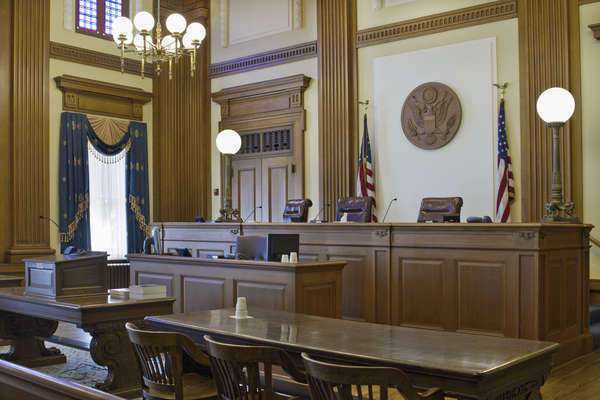
The judge listens to both arguments made by the respective parties and takes into consideration all of the evidence that is presented in these cases. The evidence often consists of various correspondences between the parties, whether they were via email, letters, or legal documents, as well as the different types of record that are kept, and receipts.
Often these types of court cases are considerably shorter in duration, because there is not deliberation necessary to reach a verdict; the verdict is cast down is the sole decision of the judge presiding over the case.