Venue
📅 2026 Update: Key Changes in US Trials and Legal Processes
Since the original article was published, there have been important updates regarding restitution enforcement and subpoena issuance procedures. These changes aim to clarify processes and durations related to trials, making it easier for victims and legal parties to navigate the system. The earlier article continues further down the page.
🏛️ Restitution Enforcement Period
As of October 10, 2023, the Financial Litigation Unit (FLU) of the U.S. Attorney's Office enforces restitution orders for 20 years from the filing date of the judgment. This period also includes the time of actual incarceration or lasts until the defendant's death.
This change strengthens the ability of victims to claim restitution over a more extended period.
📜 Subpoena Issuance Procedures
Starting January 2, 2025, parties requesting subpoenas must file a written request with the judge. The request must detail the desired testimony or documents and show their relevance and reasonable scope. This shift enhances the clarity of the subpoena process for all parties involved.
💰 Costs Associated with Restitution and Subpoenas
Victims may incur costs related to recording an Abstract of Judgment, which is necessary for establishing a lien on the defendant's property. Similarly, parties seeking a deposition must cover the cost of a verbatim transcript, which all parties can inspect and copy. Understanding these costs is essential for victims and involved parties.
🏷️ Eligibility for Restitution and Subpoenas
Victims of federal crimes can receive restitution for losses directly related to the crime, including lost income and medical expenses. Meanwhile, any party to a proceeding can request a subpoena, making this tool accessible for various legal scenarios.
📌 Key Takeaways
- 🏛️ Restitution orders are enforceable for 20 years.
- 📜 Subpoena requests must be written and detailed.
- 💰 Victims may face costs to establish liens on properties.
- 🏷️ Eligibility for restitution includes various losses.
- 📑 Any party may request subpoenas in legal proceedings.
💡 Tips for Navigating Legal Processes
Review the details of your situation with your attorney to determine the best course of action.
📅 Understand the Restitution Period
Know that restitution orders are enforceable for 20 years from the judgment date. This time frame allows victims to pursue compensation for an extended period, ensuring they do not miss their opportunity for recovery.
💼 Requesting a Subpoena
When you need to issue a subpoena, ensure your request is in writing to the judge. Clearly specify what testimony or documents you seek and demonstrate their relevance to your case.
📜 Filing an Abstract of Judgment
If you are a victim seeking restitution, consider filing an Abstract of Judgment. This document can help establish a lien on the defendant’s property, which may aid in securing payment.
📊 Keep Contact Information Updated
Victims should maintain their contact information with the U.S. Attorney's Office to receive restitution payments promptly. Keeping this information current is crucial for ensuring you receive any owed compensation.
⚖️ Know Your Rights
Familiarize yourself with your rights as a victim in the legal process. Understanding these rights can empower you when navigating court proceedings and restitution claims.
🏆 Legal Services Ranked by User Reviews (2026)
This section covers legal services related to trials, subpoenas, and restitution processes. The order follows Trustpilot data verified in October 2026. It is important to note that star ratings only reflect a portion of customer experiences, as unhappy customers often leave more reviews.
🥇 1. ZenBusiness
ZenBusiness has been rated 4.8. Known for its business formation services and compliance assistance, it is a helpful resource for individuals starting legal proceedings. However, some users report issues with customer support responsiveness and occasional delays in processing times.
🥈 2. Inc Authority
Inc Authority holds a 4.9 rating. It is recognized for its free LLC formation services and incorporation support, making it a good option for those needing legal structure in their business. Some reviewers mention upselling of additional services, which can lead to unexpected costs.
🥉 3. ABC Legal Services
ABC Legal Services has a Trustpilot score of 4.3. This service specializes in process serving and legal document delivery, vital for trial and subpoena processes. Users have reported occasional delays in document delivery and issues with service accuracy.
4️⃣ LegalZoom
LegalZoom averages 4.6. It provides legal document preparation and business formation services, making it relevant for individuals navigating legal matters. Some customers have noted delays in processing and difficulties with customer support responsiveness.
5️⃣ Rocket Lawyer
Rocket Lawyer has a Trustpilot score of 4.5. It offers online legal document creation and legal advice, which can assist in understanding subpoenas and restitution. Some users find the subscription model complex and not suited for all needs.
6️⃣ LegalShield
LegalShield holds a rating of 4.4. It provides access to legal advice for individuals and businesses. However, users have reported difficulties in reaching attorneys and slow callback times, which can hinder timely legal actions.
🆓 Free Government Assistance
Victims can access assistance through the U.S. Attorney's Office Victim/Witness Assistance Program or the U.S. Clerk of Court/Fiscal Unit.
These resources can help navigate restitution processes and subpoena procedures at no cost.
🔎 Comparing Legal Services
- 🏷️ Review user ratings and feedback.
- 💰 Check for any hidden costs.
- 📅 Understand the services offered.
- 📞 Consider customer support options.
- 📄 Look at processing times for documents.
❓ Frequently Asked Questions
❓ What is the purpose of an Abstract of Judgment?
An Abstract of Judgment establishes a lien on a defendant's property, helping victims secure restitution payments. This document can be filed with the county recorder's office.
🔍 How long do I have to enforce a restitution order?
Restitution orders are enforceable for 20 years from the filing date of the judgment. This timeframe allows victims to pursue their claims for an extended period.
📑 What happens if someone doesn’t comply with a subpoena?
Failure to comply with a subpoena may lead to sanctions under 28 CFR 76.26. This can involve penalties or additional legal consequences for the noncomplying party.
📜 Can anyone request a subpoena?
Yes, any party involved in a proceeding can request the issuance of a subpoena. This includes requests for witness attendance or document production under specific legal codes.
💼 How can I ensure I receive my restitution payments?
It is essential to keep your contact information updated with the U.S. Attorney's Office or the Clerk of Court. This ensures that you receive any restitution payments due to you.
🏛️ What is the role of the Financial Litigation Unit?
The Financial Litigation Unit (FLU) enforces restitution orders for victims. It works on behalf of victims to ensure they receive payments based on court judgments.
⚖️ Recent Cases Related to Trials and Restitution
Recent court rulings have clarified various aspects of trials, subpoenas, and restitution processes. These cases highlight the importance of understanding legal rights and the enforcement of judgments in civil and criminal proceedings.
- Florida court affirms ruling in Pipicz divorce appealDistrict Court of Appeal of Florida · August 25, 2021
- Florida court affirms ruling in Gathers divorce appealDistrict Court of Appeal of Florida · October 7, 2021
- Florida court dismisses appeal due to procedural errorsDistrict Court of Appeal of Florida · October 6, 2021
- Florida court dismisses appeal by Shannon Ovwigho against Midland FundingDistrict Court of Appeal of Florida · November 10, 2021
For more insights, feel free to browse more rulings on the news page.
End of October 2026 Update
Venue is a legal term which simply means the place where a case will be heard. While it has a simple definition, venue can actually be a very technical legal problem which requires review of local laws. In order to determine proper venue, it is required that you can identify all parties to the lawsuit, all laws that will be effected by the lawsuit, and even make an evaluation of what fairness requires.
The following is a general guideline for determining venue for a case to be heard by a court:
1. First, you must determine if the case is going to be heard in federal court or in a state court. Federal courts will hear cases that require the use of federal law or where the parties are diverse. Diverse parties is a specific term which refers to the residence of the parties. If two or more opposing parties are residents of different states and the amount of money the case involves reaches a specific amount, the federal courts will hear the case.
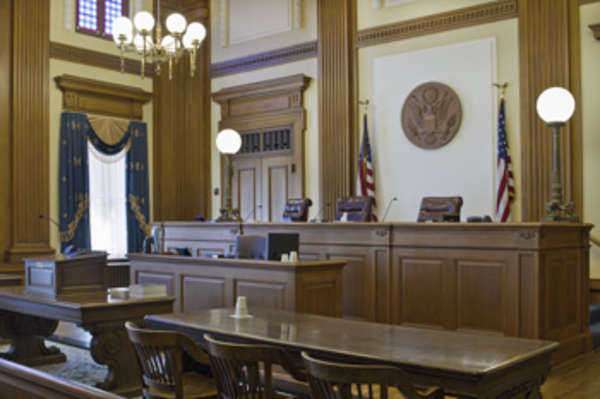
2. Next, you must determine the proper location of the court in which your case will be heard. Federal courts have district courts in multiple areas and states likewise have courts throughout each county and parish. As a general rule, venue should be a location where the defendant resides or has easy access to the courts.
3. Finally, you must be aware that cases can sometimes be moved from court to court, depending on whether the parties challenge venue or if the court finds that justice requires a change in venue. You may need to argue in front of a judge the reasons why to keep or change venue, depending on your strategic plans.